
Tritium Solutions
Equipment built by people who handle tritium every day
Tritium is a radioactive isotope of hydrogen. It is used in medical applications, in luminescent light sources for watches and optics, as a tracer in groundwater monitoring and — alongside deuterium — as fuel in nuclear fusion. In all of these applications, safe and precise handling of the gas is essential.
Why our equipment is different
We build what we use ourselves
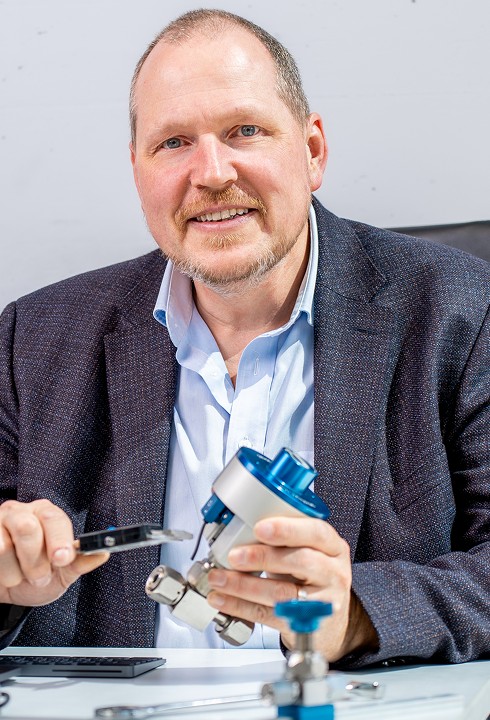
smolsys does not only manufacture tritium equipment — we operate our own tritium laboratory. Every product is shaped by that daily practice: highly reliable, designed with safety margins beyond the standard, and simple to put into operation. That is what we mean by «Plug & Produce»: you connect it and you produce, instead of spending weeks on commissioning.
Safety by design — not as an afterthought, but as the starting point of every construction.
Tritium compatible, highest quality, tested against international standards and beyond.
Optimised usability. Plug & Produce instead of weeks of commissioning.
Enhanced service life, reduced maintenance and less radioactive waste.
Products
Isotope handling equipment
Specially designed and manufactured tritium valves, fittings and transfer components — based on our long experience in tritium handling.
Valves & fittings
¼" to 1.5"
All metal sealed, built for the smallest molecule
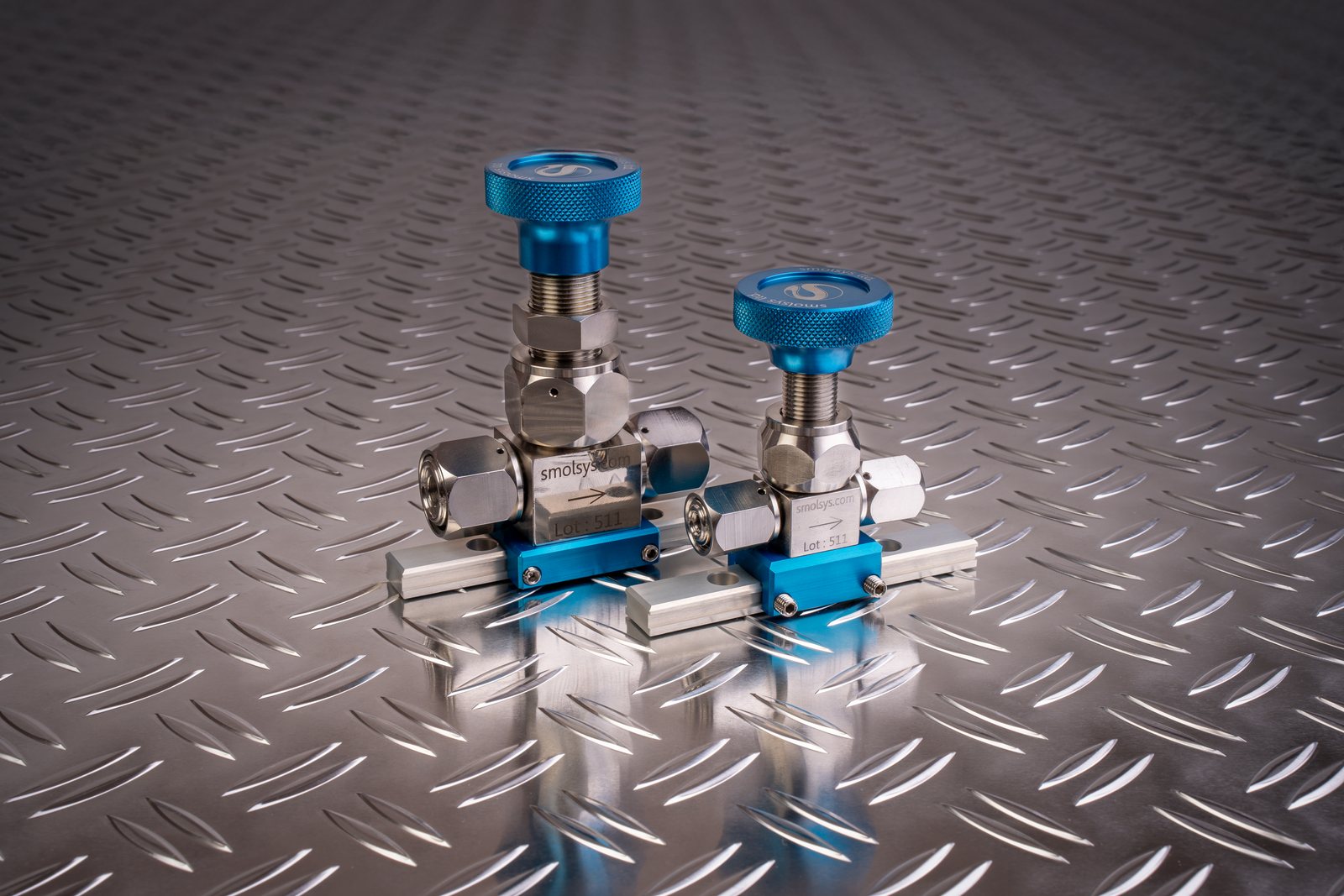
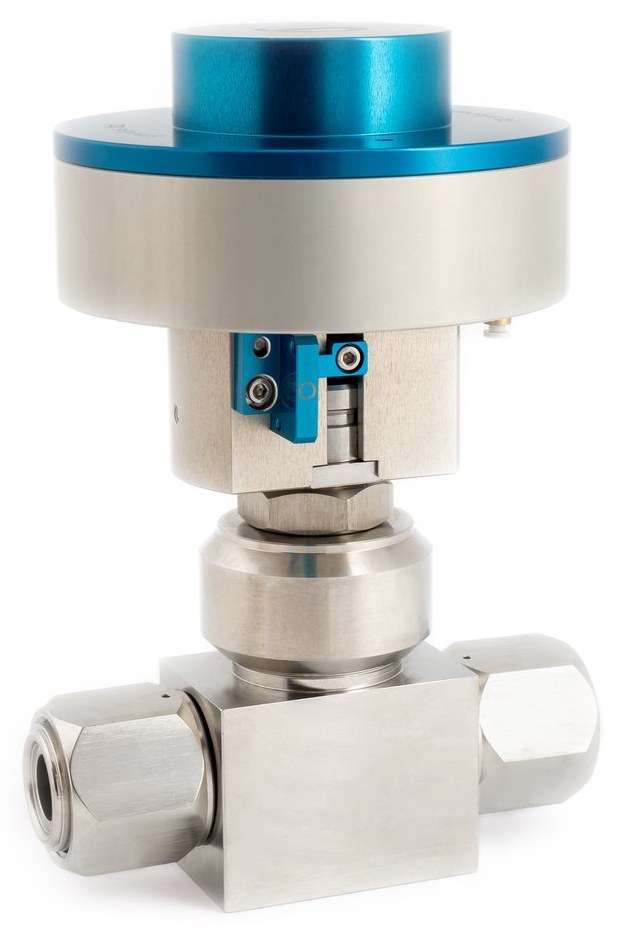
Metal bellows valves, face seal fittings, pneumatic actuators, lockable handwheels and the rail system that holds them together. Every part is designed for hydrogen isotopes — and for a service life that keeps radioactive waste low.
Measurement
Tritium analytics
Knowing what is in the gas, while it is flowing. Our analytics range covers the full isotopologue composition by Raman spectroscopy and the absolute tritium content by solid scintillation.
Micro Raman spectroscopy
Licensed by KIT
See what’s going on…
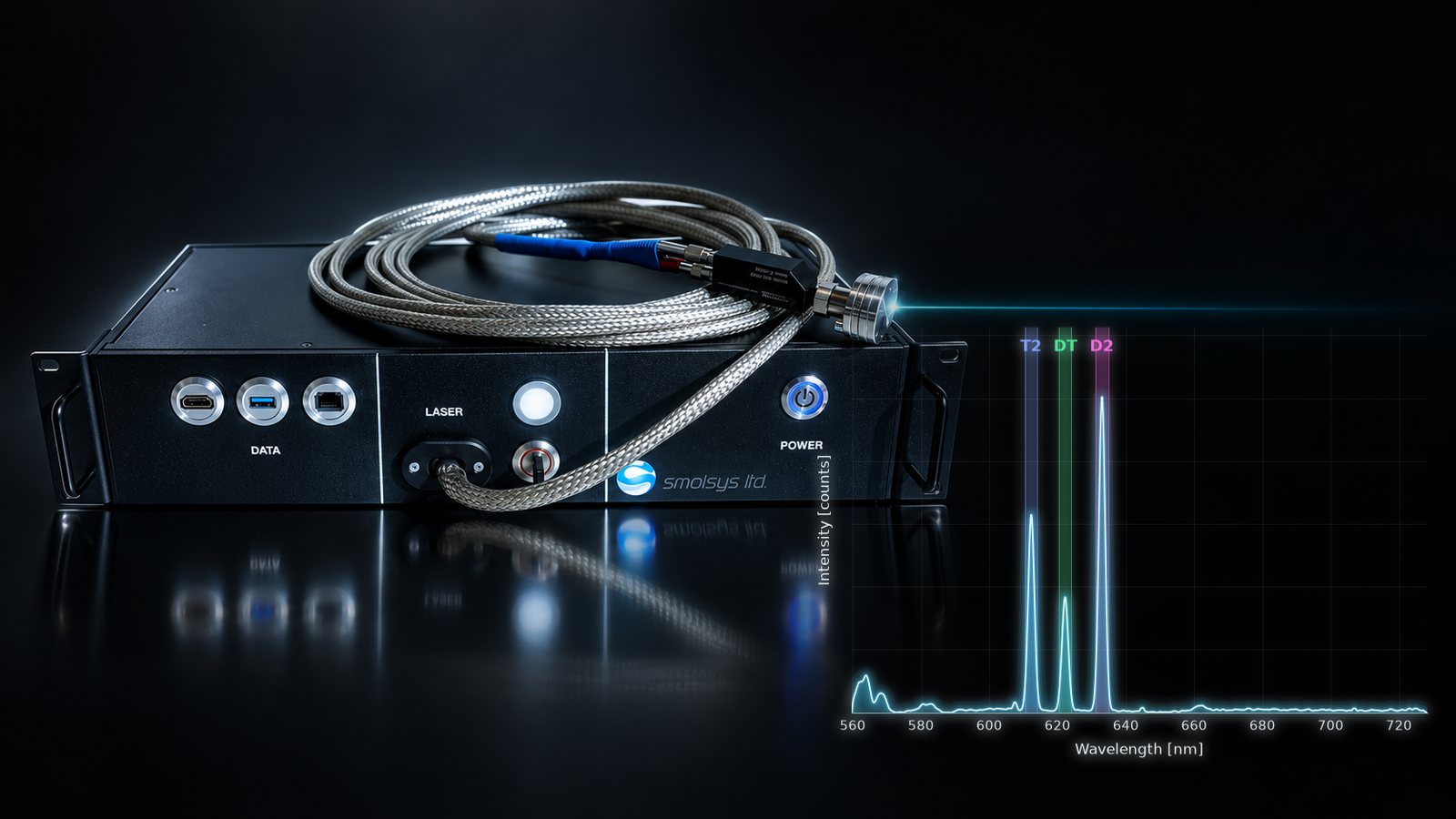
Developed by KIT, the Karlsruhe Institute of Technology, this device has proven its ability for years in a real tritium gas cycle. It is now exclusively available through smolsys as a compact and easy to use instrument — a great tool for every tritium or nuclear fusion researcher.
- Fast inline measurement cycles
- Low to high pressure
- No sample loss
- Proven in a fuel cycle
Advantages of Raman spectroscopy · Frequently asked questions →
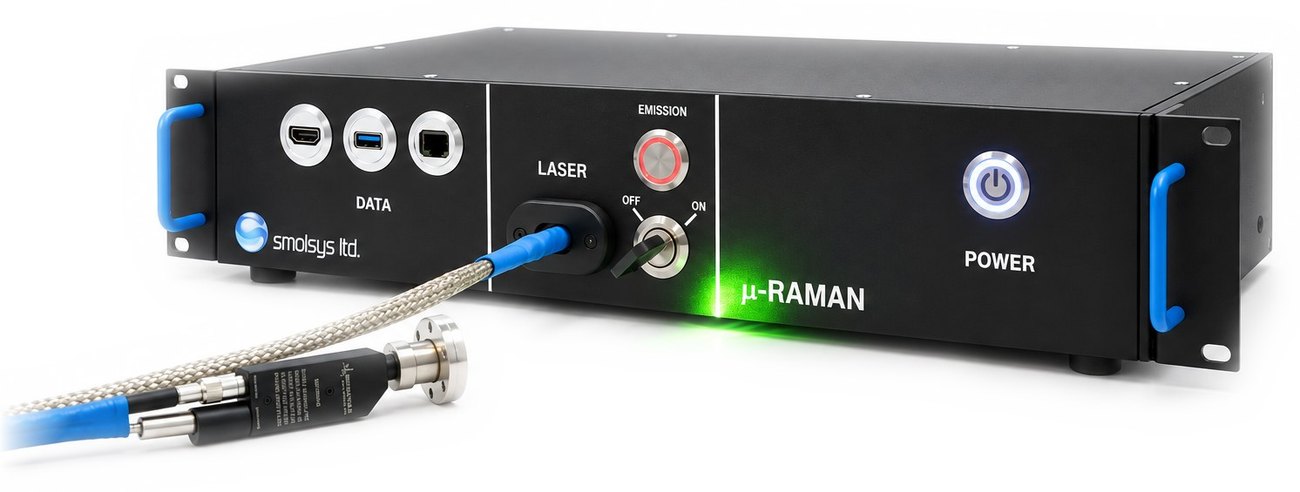
In operation
Three clicks to the first measurement
A reliable device for every fusion fuel cycle gas mix. Close to real-time measurement without sample loss. Traceable raw data and connectivity to custom HMIs allow easy integration into existing systems.
Raman spectroscopy – characteristics and advantages
Why Raman spectroscopy suits hydrogen isotope analysis in a tritium plant
Advantages
- Inline measurement of gases: the probe sits directly on the process line and measures the gas where it flows. No sampling line, no separate analysis station.
- No loss of sample: the laser light only passes through the gas. Nothing is taken out, consumed or changed, so no tritium leaves the loop and no tritiated waste is created.
- Easy to use: no sample preparation and no consumables – the gas is measured as it is, through a window, without contact.
- Short measuring times: a value about every minute with the standard setting, and every 1 to 3 seconds when partial pressures are high.
- Distinguishes the isotopologues: H₂, HD, D₂, HT, DT and T₂ each give their own line, so all six are told apart and measured at once in one spectrum – including the molecules with two identical atoms that infrared methods cannot see.
- Low to very high pressures: the standard cell measures from vacuum up to 1.4 bar absolute; the high pressure cell goes up to 1000 bar.
- Electronics outside the containment: only the probe touches the process; the fibre carries the light to the electronics in the clean area.
What sets our µRa spectrometer apart
- Easy to operate: integrated computer with the tritium optimised software µRa-Soft pre-installed – three clicks to the first measurement.
- Fast measurements: a complete isotopologue analysis about every minute, inline and continuous.
- Still flexible for custom adaptations: additional gas species, the high pressure cell, glove-box feedthroughs, flanges and adapters, or integration into your own control system.
- Tested and proven in a real tritium fuel cycle: several devices of this design have been running daily for many years at the Tritium Laboratory Karlsruhe (KIT) without problems (see the FAQ).
Characteristics to keep in mind
- The signal depends on the partial pressure of each gas, not on its percentage. Low concentrations need a higher total pressure or longer measuring times (see the FAQ).
- Noble gases such as helium and argon are invisible to Raman spectroscopy – useful as carrier or purge gases.
- Other gases can be measured if they are Raman active, lie in the measuring range and do not overlap with other peaks.
Micro Raman spectrometer – FAQ
Answers from the developers at the Tritium Laboratory Karlsruhe (KIT) and from our own practice
Is the spectrometer reliable in a real tritium fuel cycle?
Yes. The technology comes from the Tritium Laboratory Karlsruhe (TLK) of the Karlsruhe Institute of Technology (KIT), where it was developed and refined over three decades. smolsys builds and sells the spectrometer exclusively under a licence from KIT, which includes the hardware and software design and the know-how of the TLK team.
At TLK, several of these spectrometers have been running every day for many years in a real tritium fuel cycle with an inventory of about 30 g of tritium, including the tritium loop of the KATRIN experiment, which runs around the clock. They have done so without problems. The device you buy is the same design, proven under the conditions a fusion fuel cycle imposes. The first publication on the system is open access: Sensors 22 (2022) 3952.
What does it measure?
The composition of hydrogen isotope gas mixtures: all six isotopologues H₂, HD, D₂, HT, DT and T₂ at the same time, inline and without taking a sample. Protium, deuterium and tritium are pre-set; further molecules are possible on request. With the 532 nm laser, the spectrometer covers roughly 1550 to 4500 cm⁻¹ (about 580 to 700 nm), the range in which the hydrogen isotopologues appear.
What is the detection limit – in % or ppm?
Neither. Raman spectroscopy responds to the absolute amount of a gas in the measuring volume, i.e. to its partial pressure, not to a ratio. With standard settings, about 10 mbar partial pressure per isotopologue is detected reliably (5 mbar with some optimism).
A percentage only makes sense together with the total pressure: 10 mbar is 10 % of a 100 mbar sample, 1 % at 1 bar, 0.7 % at 1.39 bar – and 0.01 % at 100 bar. With a static sample and long measuring times of 2 to 5 hours, around 0.5 to 0.8 mbar can be reached (Priester et al., Sensors 2022).
How accurate is the result?
Trueness is ±2.5 % (3 to 5 % if stated conservatively). It hardly varies within the capabilities of the system, so it can be used as one global value for confidence limits. It is independent of the detection limit: 10 mbar of tritium in 100 bar of total pressure is still found, with ±2.5 % on those 10 mbar. Measuring range 0–100 % (10–1400 mbar).
Which pressures can the cell handle?
The standard measuring cell works from 10⁻¹⁰ mbar up to 1.4 bar absolute (20 psi). For higher pressures there is the high pressure Raman cell in 100, 400 and 1000 bar ratings. It also helps with low concentrations: raising the pressure in the measuring chamber alone raises the partial pressure of every component, while the rest of your system stays at its own pressure.
Is the high pressure cell tested or certified?
Every cell is leak and pressure tested individually. For the 400 bar rating, for example: helium leak test in vacuum and at 400 bar, 10 pressure cycles, cold exposure in liquid nitrogen at rated pressure, heating to 200 °C and a final helium leak test. Maximum helium leak rate in vacuum: 1 × 10⁻⁹ mbar·l/s; verified burst pressure of the 1000 bar cell above 1500 bar. Testing follows established pressure-vessel principles. If your site needs a qualification for a specific code or application, we agree the tests with you.
How fast is a measurement?
The standard setting combines three exposures of 20 seconds, giving a value about every minute; the interval can be set from 0.1 to 3600 s. Every value is an average over its exposure time, so fast changes within one spectrum are not resolved. If the partial pressures of interest are high (250–500 mbar), intervals of 1 to 3 seconds still give meaningful results.
Can I measure fast gas flows?
Yes, inline and without a bypass – but the result is an average over the measuring interval (see above). Avoid diverting the gas into a larger measuring chamber: the mixture can segregate there, and the sample is then no longer representative.
Does the gas temperature affect the result?
Not the measurement itself, as long as the gas is not enclosed in a fixed volume where temperature changes would change the pressure. What does need attention is the optical window: viewports tolerate only limited temperature ramps, typically a few kelvin per minute. Know the ramp at the measuring point. The high pressure cell works from liquid nitrogen temperature up to a gas temperature of +180 °C.
Which carrier or purge gas should I use?
Noble gases (helium, neon, argon) are not Raman active: the spectrometer does not see them, and they do not disturb the measurement. Nitrogen is visible, but its line lies close to the tritium signals; we do not recommend it as a purge gas. Nitrogen can be detected, but it is not calibrated – percentages for N₂ are not valid, only relative changes under similar conditions.
Can other gases be analysed, e.g. oxygen, water vapour or methane?
Yes, provided three conditions are met:
- the substance is present as a gas and is Raman active under 532 nm laser light,
- its signal lies within the measuring range of the spectrometer (roughly 1550 to 4500 cm⁻¹), and
- its peaks do not overlap with other peaks in the mixture.
The third condition is the one to watch in a tritium plant, because every hydrogen containing molecule comes in many isotopic variants. Water combines with the hydrogen isotopes to H₂O, HDO, D₂O, HTO, DTO and T₂O. Methane (CX₄, where X can be H, D or T) already gives 15 different isotopologues in theory, from CH₄ to CT₄. The more variants a gas contains, the more their peaks crowd together and overlap with the six hydrogen lines, which costs trueness. HD and water, for example, lie so close that the standard configuration cannot separate them automatically; it is possible by fitting the raw data. Tell us what is in your gas – we check feasibility and integrate additional species on request.
How do I install it in my system?
The probe sits directly on your piping, connected by DN16CF or ½″ VCR®. Use a tube of at least 6 mm inner diameter, with stainless steel walls, and do not place a window or a flat wall opposite the probe: reflections raise the background. Keep viewport and fibre ends clean. The fibre is up to 5 m long, so the electronics can stay in the clean area.
Can the probe go into a glove box?
Yes, with a fibre feedthrough through the box wall (see above). Every feedthrough costs some light, so tell us how much fibre length you need inside the box – we fit the feedthrough at the right position. Physically split fibres are possible too, but the signal loss is considerable.
What about software, data and updates?
The device comes with an integrated computer and the tritium optimised software µRa-Soft pre-installed – three clicks to the first measurement. Data is stored as dated CSV files with a raw data archive; connections are HDMI, RJ45 and USB. Peak positions shift slightly from one set of hardware to the next, so every device ships with its own configuration file. Firmware and software updates come from us. Other process values such as temperature or humidity are not part of the device, but can be combined with it in a custom PLC.
Is the laser safe?
The 532 nm DPSS laser has 200 mW. In the closed system it is laser class 1; with the probe disconnected it is class 3B, so the usual laser safety rules apply when working on the optics.
Price, delivery and warranty?
Please ask us by e-mail at info@smolsys.com. We will send you a quotation with price, delivery time and warranty terms for your configuration, including the high pressure cell if you need one. Technical data is in the spectrometer catalogue (PDF).
Accessories for the spectrometer
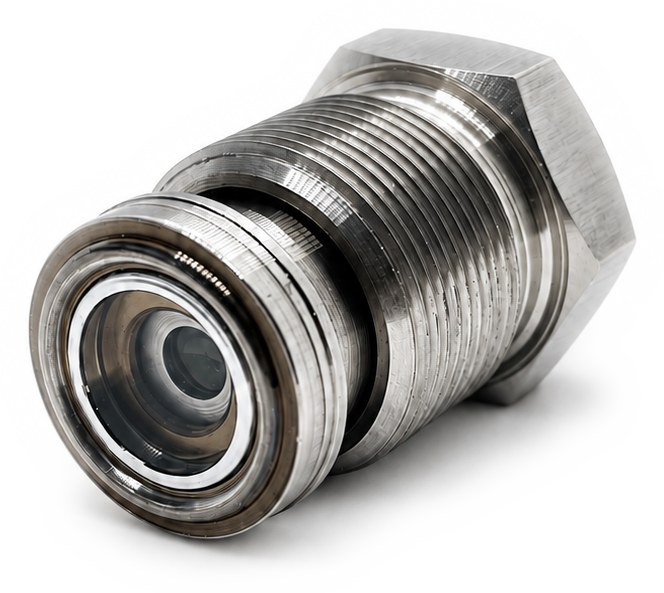
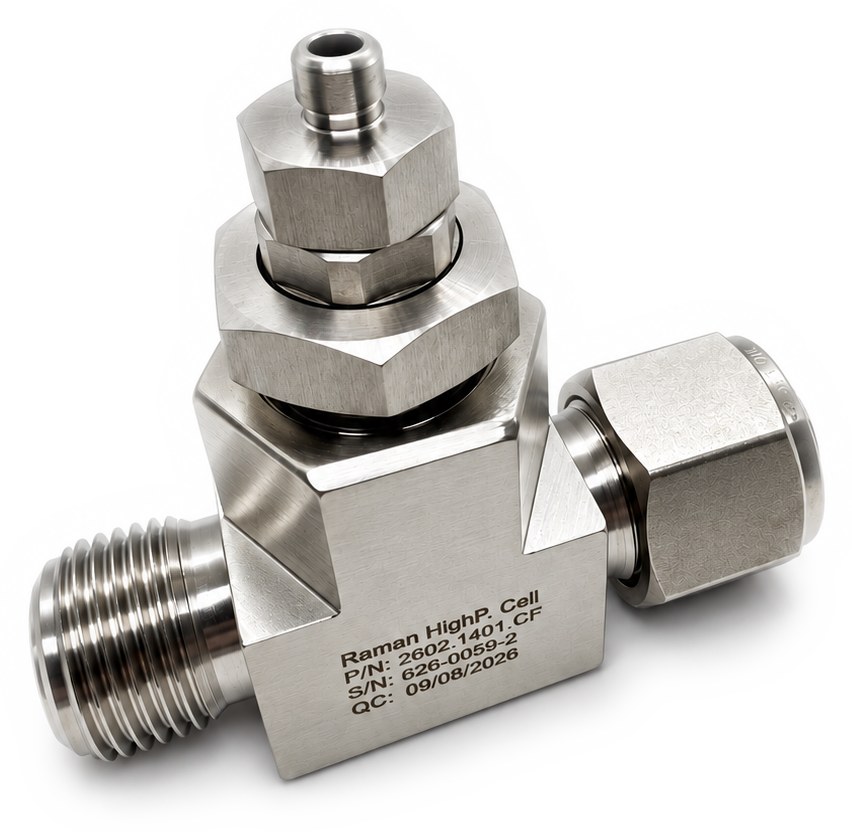
High pressure Raman cell
Researching under pressure? The high pressure Raman cell is rated up to 1000 bar and operates in liquid nitrogen as well as at +200 °C (392 °F). The flange is ½ inch; custom adapters are available — see the spectrometer catalogue for details.
Need a high vacuum tight, high pressure window in a specific flange? We build it to your drawing.
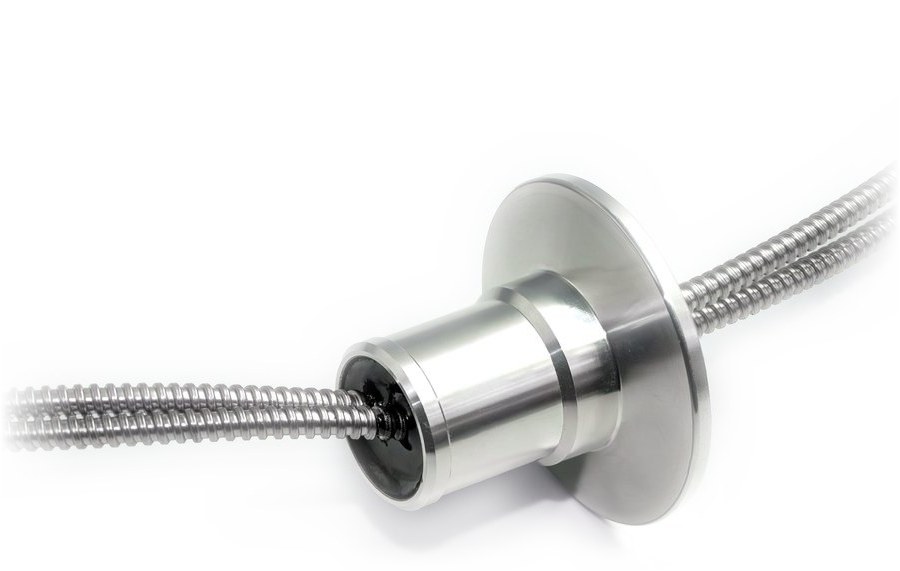
Glove-box feedthrough for the Raman fibre
A KF flanged transit that takes the armoured fibre of the spectrometer through a glove box or containment wall without breaking the barrier. The electronics stay outside in the clean area, the probe sits where the gas is.
Physically split fibres are available as well, but the signal loss is considerable. Wherever the layout allows it, we recommend the resin sealed feedthrough instead.
Tritium GS sensor
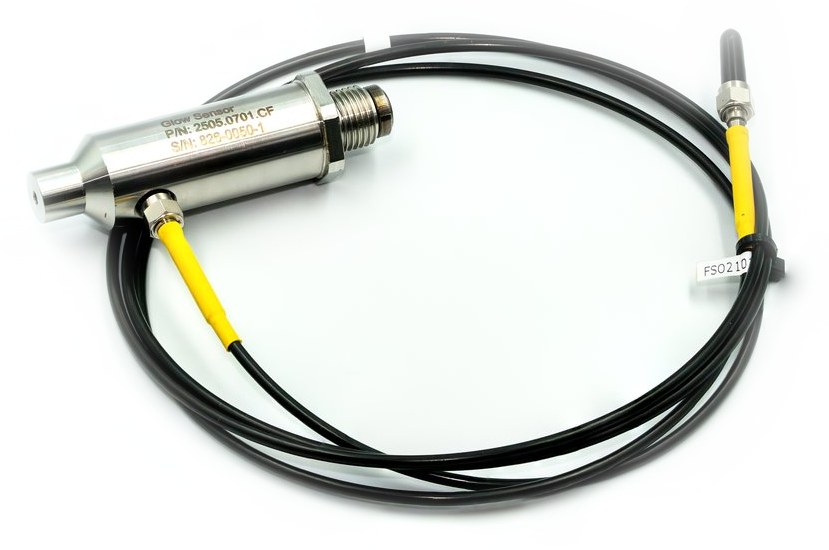
Solid scintillation
Concentration and pressure sensor
A measuring principle of its own, independent of the spectrometer. It measures the tritium gas concentration at a known pressure — or, the other way round, the pressure of a tritium gas of known concentration. The sensor uses the beta radiation of tritium to generate radioluminescence, which is read out by a photodiode.
- Wide concentration range
- Fast response time
- Pressure range 0–20 bar
- Temperature range 0–50 °C
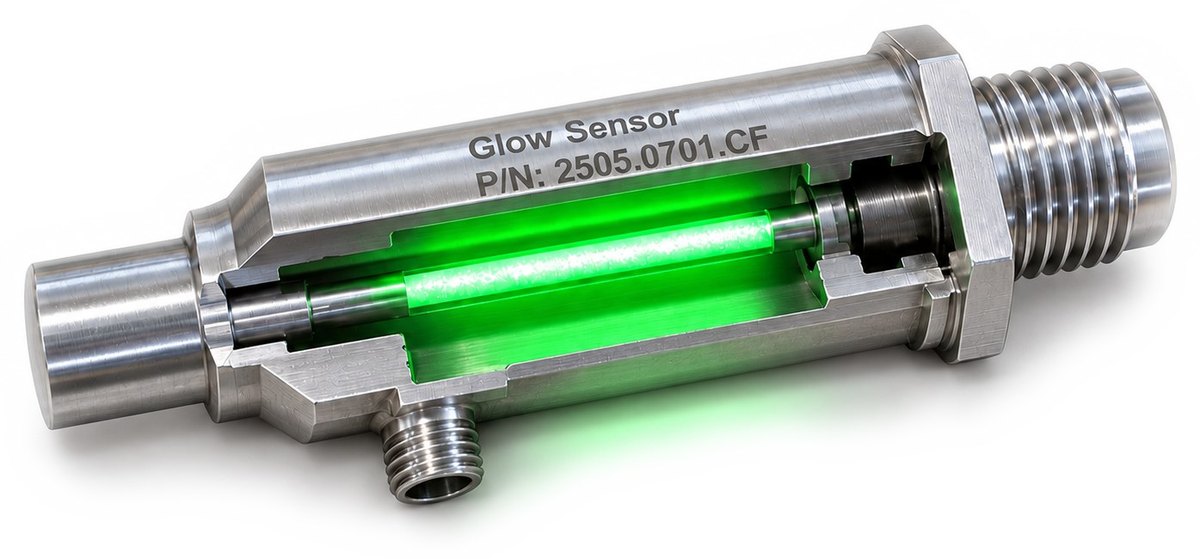
Cut-away view
Glow Sensor 2505.0701.CF
Solid state scintillation sensor for pure gases and for gas mixes containing tritium. The sensor responds to tritium alone — the gas has to carry a tritium fraction to be detected. Combined with the pressure data of your system, it can alternatively determine the purity of the tritium gas.
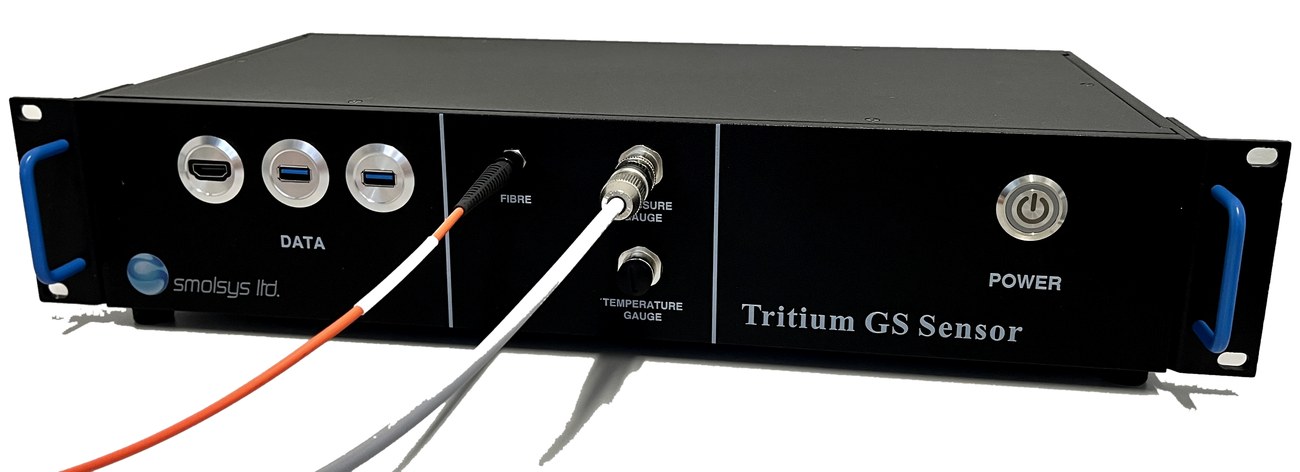
Readout unit
Everything on the front panel
The sensor head reports to a 19 inch rack unit, two height units. The fibre from the sensor goes in on the front, next to the inputs for your pressure and temperature gauges — the concentration reading needs both. Data leaves over USB or HDMI, so the unit can drive a display of its own or feed your process system.
Containment
Inert gas glove boxes
High-security glove boxes, tested and approved through years of beryllium and tritium handling at KIT and GVT in Karlsruhe.
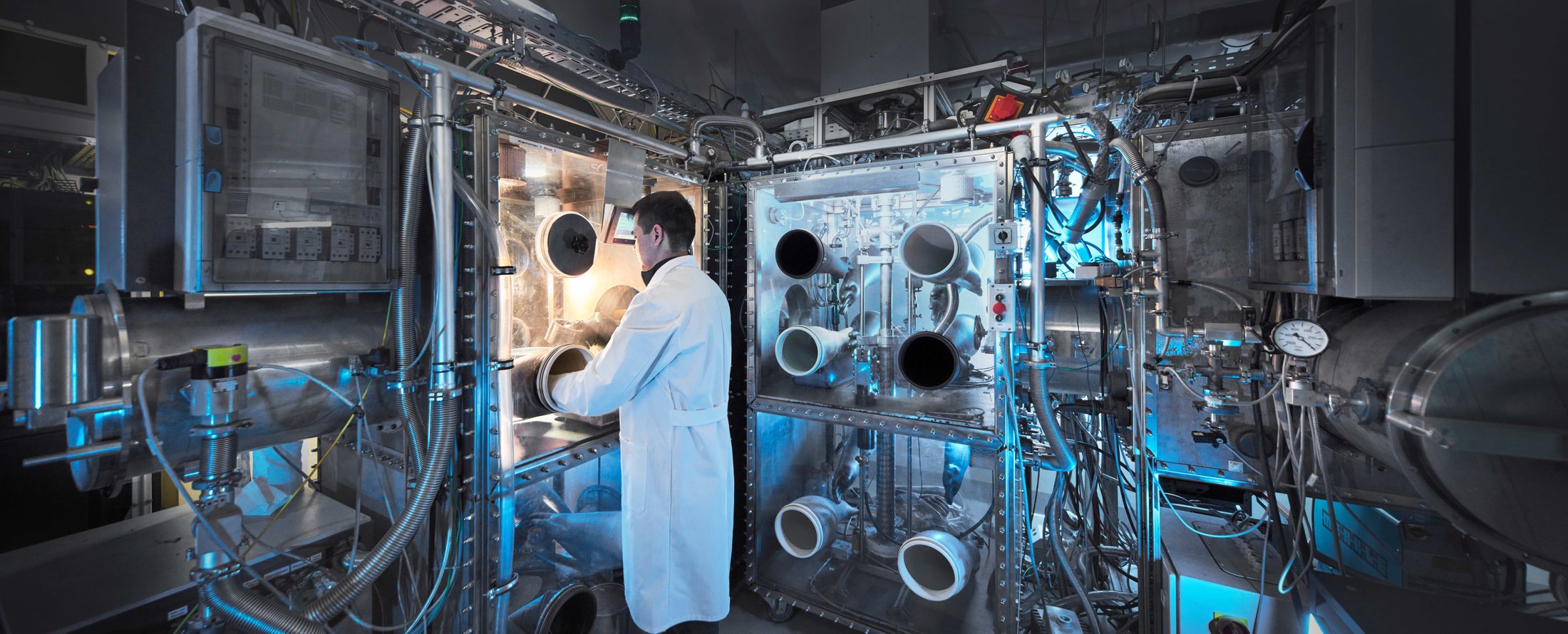
Modular by design
One general module, built around your process
Our boxes combine smart design with modularity. They are based on a flexible general module and carry interfaces compatible with other box types, which makes it easy to integrate custom requirements — inert gas cleaning systems, sensors, PLC automation, interlock programming, for example for shuttling liquids through the interlock.
- Stainless steel standard frame
- Windows in acrylic, tempered multi-layer glass
- Other materials on request
- Interlocks, gas cleaning and automation integrated
From the standard cube to your box
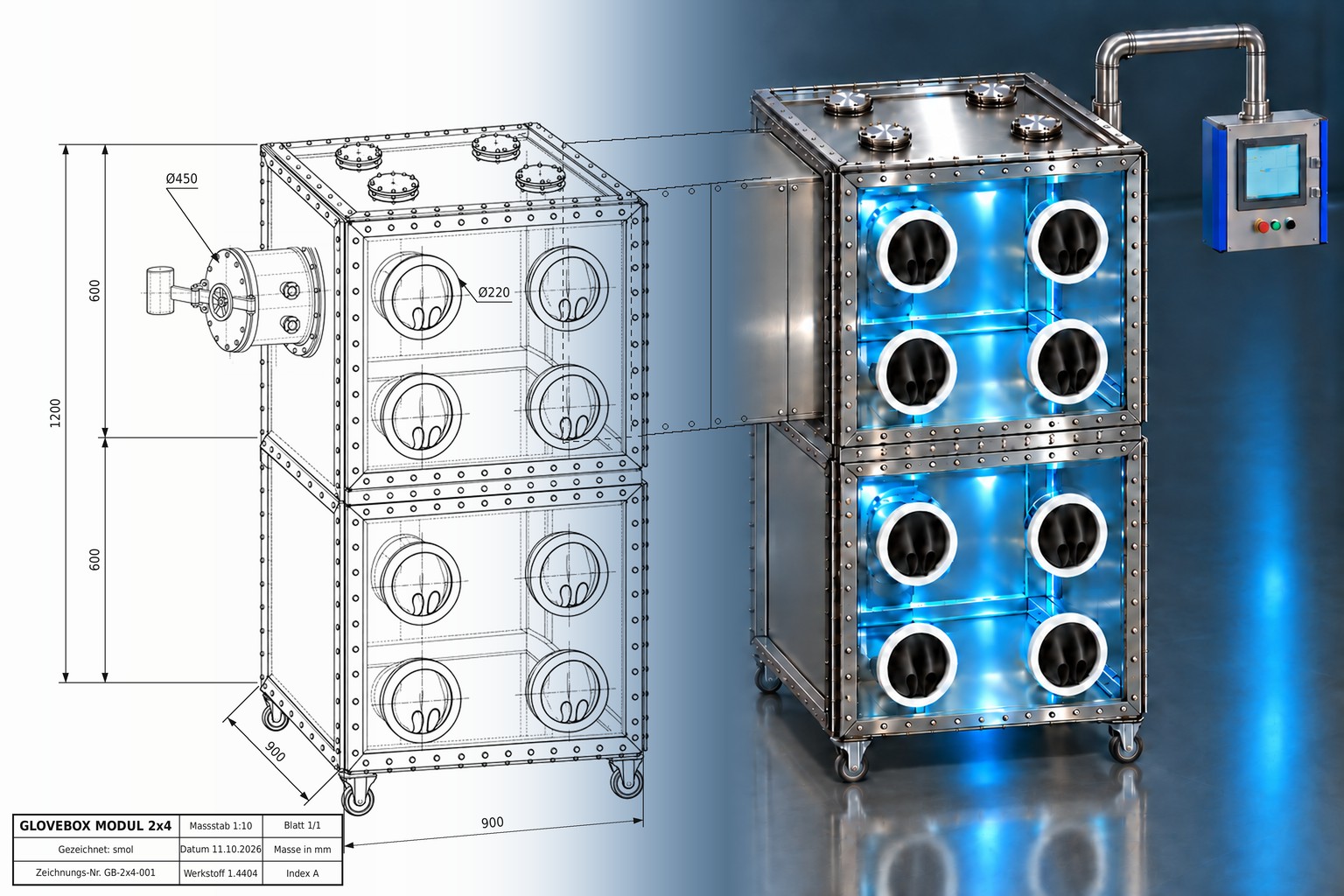
Modularity
One cube, adapted to your process
Our inert gas glove boxes are based on a standard cube and are then custom adapted and equipped with the machinery your process needs. The modularity goes far: corner boxes, multiple levels, and separate atmospheres in individual sections of the same chain.
- Dual seals throughout
- Purged and surveilled frame structure with leak detection
- Corner boxes and multi-level arrangements
- Individual atmospheres per section
The box can be equipped with high isostatic presses, cryo grinding machines, powder pellet presses, mills, welding equipment and any other machinery your process calls for. A custom HMI can bring radiation safety data, process data, glove box status and analytics data together on one screen.
Beryllium and beryllides
Experience, not a first attempt
Containment built for a material that allows no mistakes
Beryllium and its intermetallic compounds — beryllides such as Be12Ti, used as neutron multipliers in fusion breeder blankets — are processed as powders and pellets. The hazard is not radiological but toxicological: inhaled particles can cause chronic beryllium disease, and the exposure limits are among the lowest of any industrial material. Containment is therefore not an accessory of the process, it is the process.
Our glove boxes were tested and approved through years of beryllium and tritium handling at KIT and GVT in Karlsruhe. That experience is built into the design rather than added to it:
- Dual seals throughout, with a purged and surveilled frame structure and leak detection
- Negative pressure against the room, so a leak draws inward
- Filtered exhaust, with filter changes done inside the containment
- Interlocks for material transfer in and out without breaking the barrier
- Powder machinery — presses, mills, cryo grinding — integrated inside the box
- Separate atmospheres per section, so beryllium work stays apart from the rest of the chain
Planning beryllium work means reading before building. The standard reference is A Practitioner’s Guide to Beryllium Hazard Management (Lemmens, ISBN 978-3-86856-033-6) — the practical work on health and safety in beryllium handling. We are glad to discuss your process against it before anything is designed.
Facilities
Custom tritium laboratories
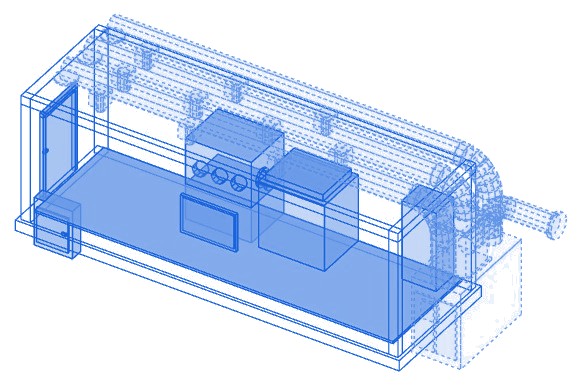
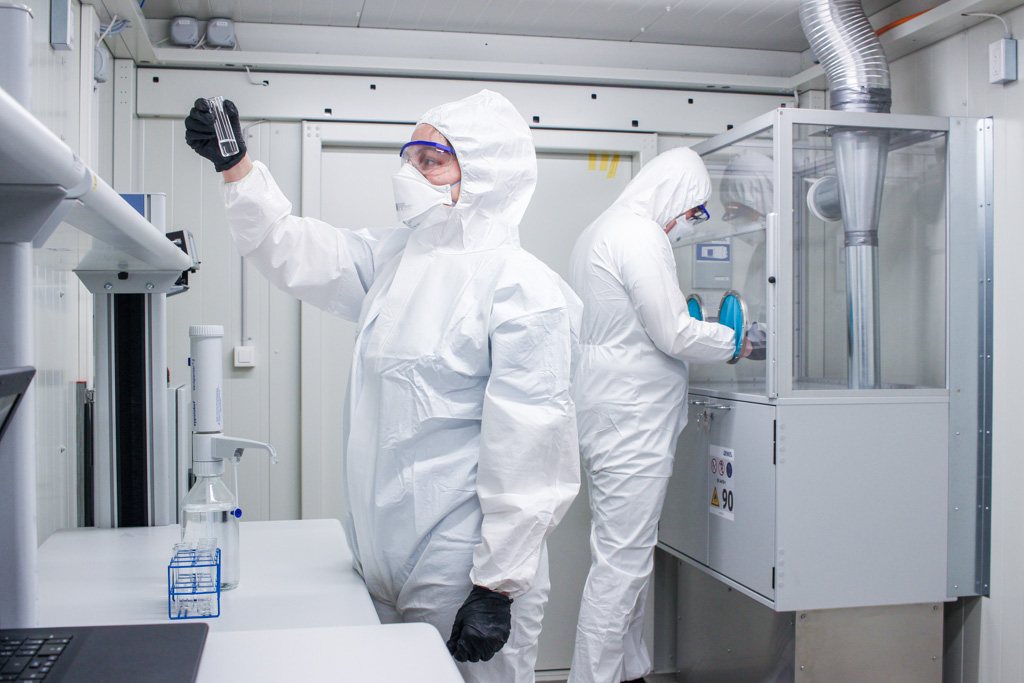
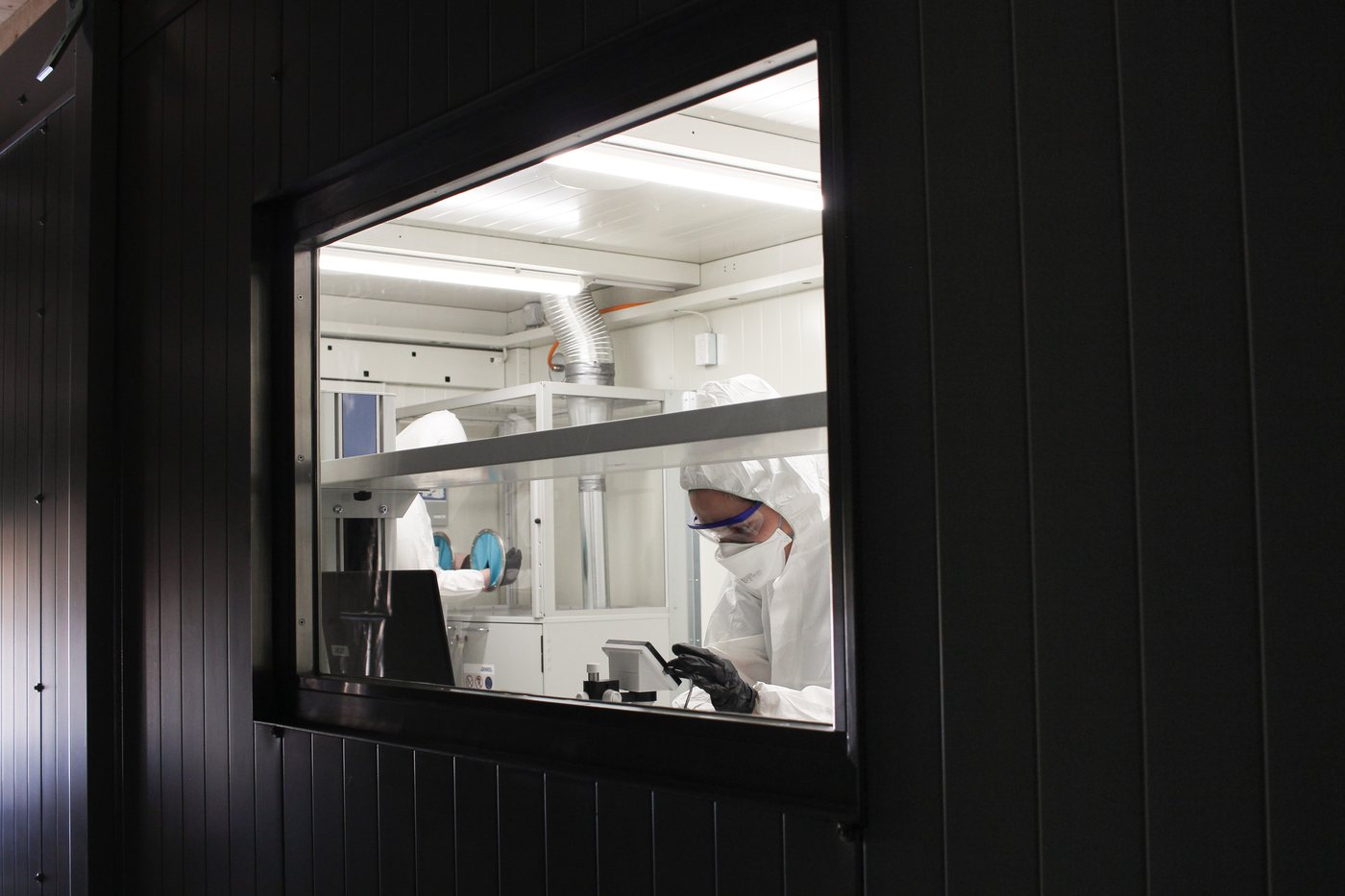
A complete radio-isotope laboratory in a transportable shell: the RMC container lab. The unit itself creates the protected environment, so you do not have to rebuild your building.

Published research
A modern way of working…
The benefits of a semi-mobile laboratory: a three-shell containment, tritium monitored in real time, and an approval that took six months instead of more than a year. Our own team wrote up the method and the measured results after two years of production in Fusion Science and Technology (Schneider & Burkhalter, 2020).
Plug & Produce
A self-contained unit, not a building project
The lab container holds the critical process, the machinery and the measurement systems. Conditions inside are predictable and continuously monitored: tritium in air as T₂ and HTO, temperature, airflow, air quality, oxygen, humidity — every parameter a controlled and reliable process needs.
- Shortest time to production, fully transportable
- Fast setup as an additional safety zone
- Pre-established compliance with regulatory requirements
- Clearly defined interfaces to the surrounding environment
- Built-in safety: fire protection and 25-fold air exchange per hour
- Easy adaptation to changing needs, no retrofitting of existing facilities
Configuration
Three lengths, hull certified REI 90
The container hull is certified REI 90 minutes fire safe and built to DIN EN 1090. It comes in three lengths at the same width and height — 20 ft 5938 × 2878 × 3009 mm, 30 ft 8858 × 2878 × 3009 mm and 40 ft 12200 × 2878 × 3009 mm. Everything inside is configured for your process — from the ventilation concept and the sensor set to the glove boxes and safe storages.
Customize your lab
Dimensions in
1Choose the installation
2Choose the length
3ATEX rating affects every component
4Fire rating affects the whole build
5Pick the modules drag the drawing to turn it
Tick the components you need, add quantities and your own notes under “Custom”. The whole configuration is written into the e-mail — add site, process and timeline and we come back with a price. “Copy configuration” puts the same text on your clipboard.
Engineering
Custom machine building
Where the catalogue ends, engineering begins. We design, build and program complete machines for processes that have no standard solution yet — from the requirement analysis to turnkey delivery.
Products
Gas transfer
Compression and transfer of hydrogen isotopes without a moving seal to the environment — from low mbar up to 100 bar, manually operated or fully automated.
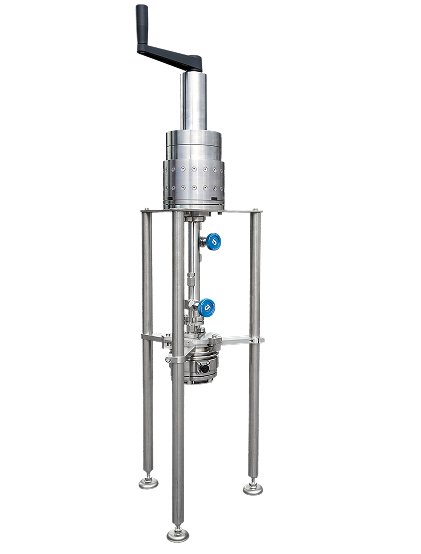
Protium · Deuterium · Tritium
Isotope Ultra Syringe Pump
Steady and highly controlled gas compression and transfer, from low mbar up to 100 bar depending on the process. The plunger is magnetically driven — there are no rotary seals to the environment, so the system is hermetically sealed. The housing is vacuum-vented to a bypass or scrubber, which makes closed-loop gas handling possible.
- Accurate, process-controlled pressurisation
- Stable gas flow or pressure, from mbar to bar
- Slow-moving components and high temperature stability
- Several pumps combine into a continuous flow system
- Manually operated or fully automated versions
Engineering & building
Custom bellows pumps
Metal bellows pumps for a wide range of pressure applications — designed, engineered and built to the requirements of your process.
For more information
Let's talk about your application
Please don’t hesitate to contact us. We’re here to assist with any questions or provide additional details to help you make informed decisions. Reach out today, and let’s connect!
 smolsys AG
Platz 4
6039 Root D4
Switzerland +41 41 510 87 50 info@smolsys.com LinkedIn